Selling a historic home in Old Northeast is not the same as selling a newer property across town. Buyers here often notice the details that make a home feel authentic, from original windows and trim to porches, masonry, and the way the house fits its site. If you want to prepare your home for sale without losing the character that makes it special, a smart plan can help you protect value, avoid unnecessary work, and present the home beautifully. Let’s dive in.
Why historic-home prep is different
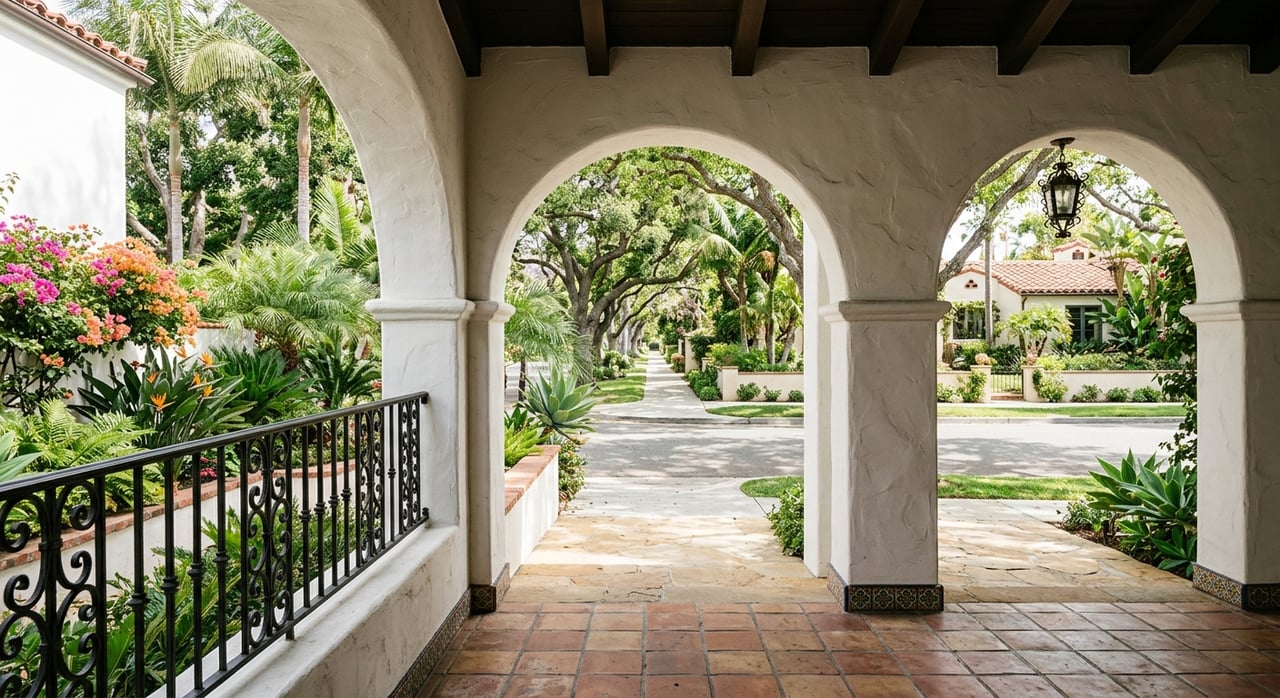
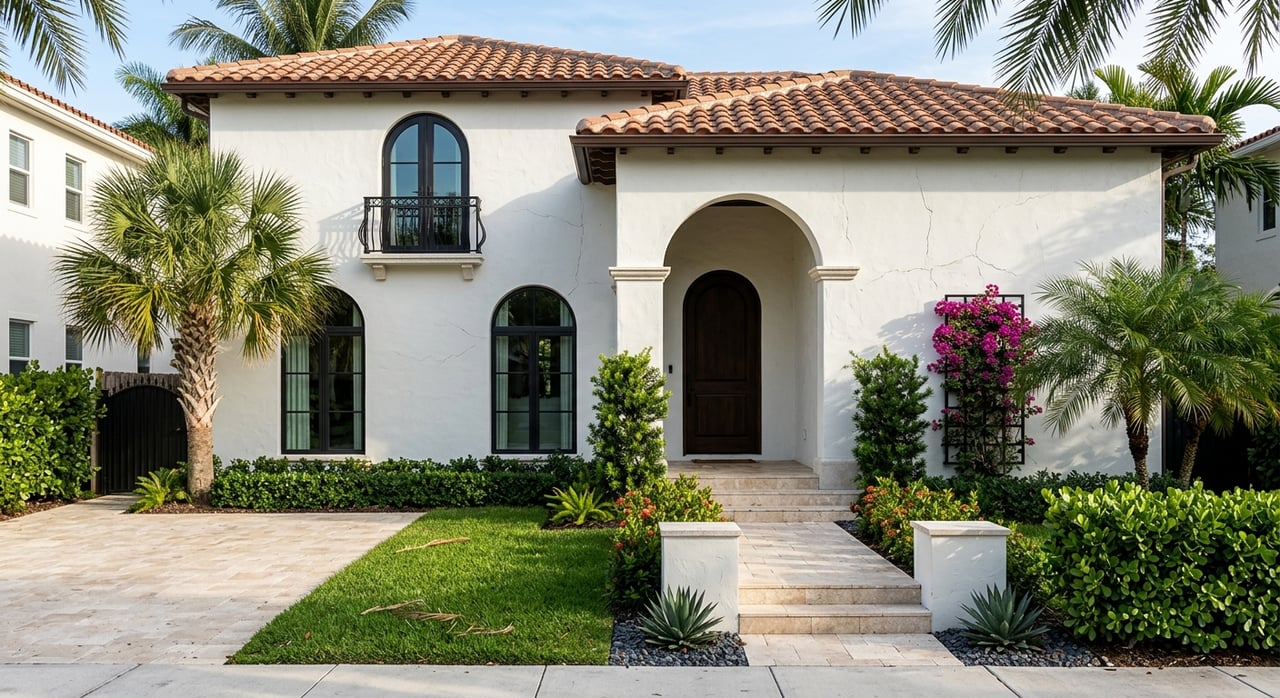
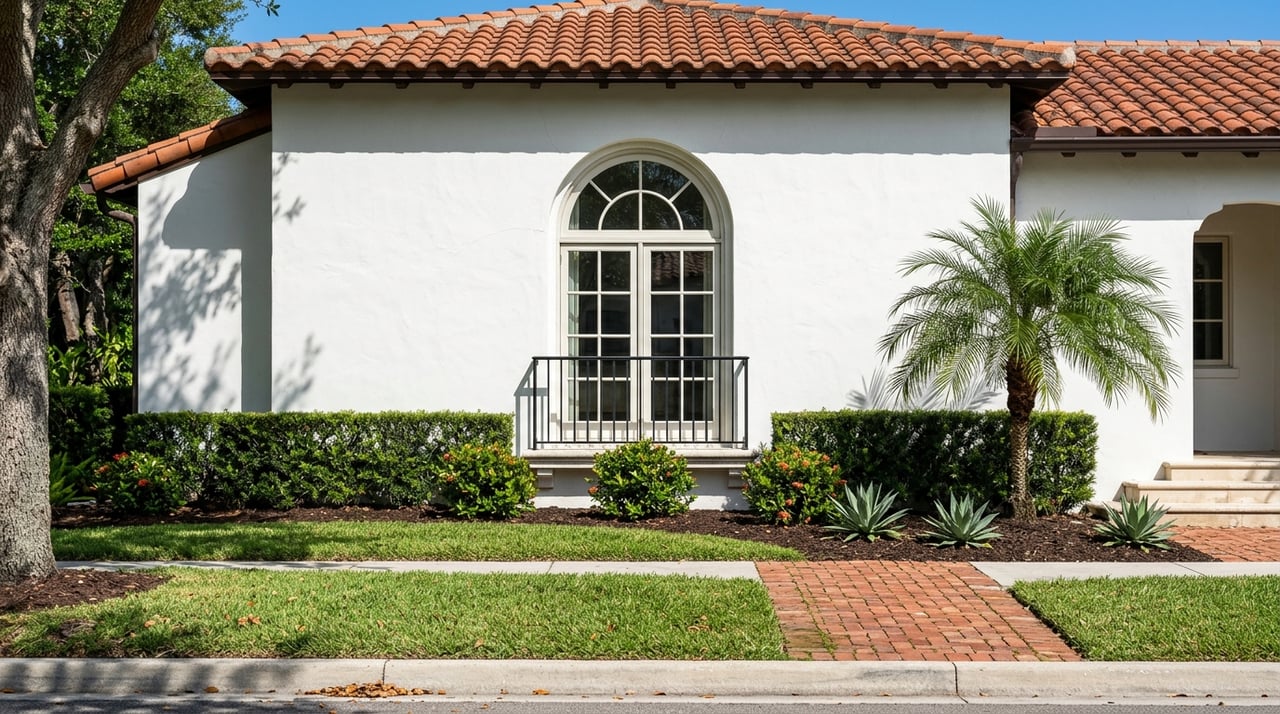
Historic Old Northeast is valued for its early 20th-century character, and the North Shore Historic District offers a useful preservation reference for the area. The district includes homes from the 1910s through the 1940s in styles such as Frame Vernacular, bungalow, Colonial Revival, Mediterranean Revival, Prairie, Tudor Revival, and Ranch. Streetscape details like hexagonal sidewalk pavers, granite curbstones, landscaping, and intact garages or garage apartments also contribute to the setting.
That context matters when you prepare your home for sale. In a historic neighborhood, buyers are often responding to authenticity as much as updates. Original porches, windows, trim, masonry, and site features can support the home’s appeal, so the goal is usually to clean, repair, and refine rather than strip away or replace.
Check designation and approvals first
Before you start exterior work, confirm your property’s exact historic designation and review path. In St. Petersburg, certain work in the historic and archaeological preservation overlay may require a certificate of appropriateness before work begins. Some projects may also require permits, and historic district properties may not be exempt from permit rules even when similar work elsewhere might be.
This step matters more than many sellers expect. If you begin with cosmetic changes before checking city requirements, you risk delays, extra cost, or work that needs to be revised. It is often wiser to confirm the process first, then build your prep plan around what is allowed and what needs review.
The city’s permit handout also notes that work valued at $1,000 or more must be done by a licensed contractor under Florida law and Pinellas County licensing rules. That makes early vendor planning especially important if you are aiming for a specific listing date.
Start with repairs that protect value
When you decide what to fix first, think in layers. The first layer is always safety, moisture control, and structural stability. A beautiful staging plan will not matter much if buyers or inspectors notice water intrusion, failing porch elements, damaged masonry, or other issues that raise immediate concern.
This preservation-minded order makes sense in a historic home. The broad rehabilitation standards used for historic properties emphasize retaining historic character, repairing deteriorated features when possible, and avoiding treatments that damage original materials. For sellers, that means solving real performance issues before spending heavily on cosmetic upgrades.
Focus on moisture and structural concerns
If your home has signs of water intrusion, soft wood, settlement concerns, or failing porch components, those issues should move to the top of the list. These are the kinds of conditions that can interrupt a transaction, affect inspections, or reduce buyer confidence. Addressing them early gives you a cleaner path to market.
If the property has a known flood or moisture exposure risk, resilience upgrades should be approached carefully. The goal should be to improve performance while preserving historic features, site, and setting, not to use moisture concerns as a reason to remove original character-defining elements.
Repair original windows when practical
Old windows are one of the first things sellers wonder about. In many cases, original windows are better repaired than replaced. Preservation guidance recommends inspecting existing windows carefully, addressing air leaks with caulking and weatherstripping, and considering storm windows where appropriate before replacement is considered.
That can be especially important in Historic Old Northeast, where original window proportions and trim contribute to curb appeal. If repair is practical, keeping those features can help the house feel more authentic in photos and in person.
Keep original doors and porch details
Historic solid and paneled wood doors often perform well and should be retained when possible. The same goes for porches, which are often defining features of older St. Petersburg homes. Repair methods can include targeted wood repairs and close-matching replacement pieces only where sections are beyond repair.
For sellers, this often means resisting the urge to over-modernize the front entry. A cleaned, repaired, and freshly presented porch usually does more for market appeal than removing older details that help the home stand out.
Be gentle with masonry and stucco
Masonry and stucco need a careful touch. Historic guidance recommends cleaning with the gentlest means possible and warns that poor cleaning methods or improper repointing can damage historic materials. Pressure washing, harsh chemicals, or incompatible mortar choices can create problems instead of solving them.
If your home needs this kind of work, use contractors who understand older materials. A quick cosmetic approach can hurt both appearance and long-term condition.
Avoid the over-renovation trap
One of the biggest mistakes sellers make with historic homes is treating them like blank slates. In Old Northeast, your home’s value story often includes the features that connect it to the neighborhood’s historic character. Replacing too much at once can make the house feel less distinctive.
That does not mean you should leave the home untouched. It means your prep should be selective. Fix what could derail buyer confidence, refresh what improves presentation, and preserve the details that make the property feel rooted in place.
Stage for today’s buyers
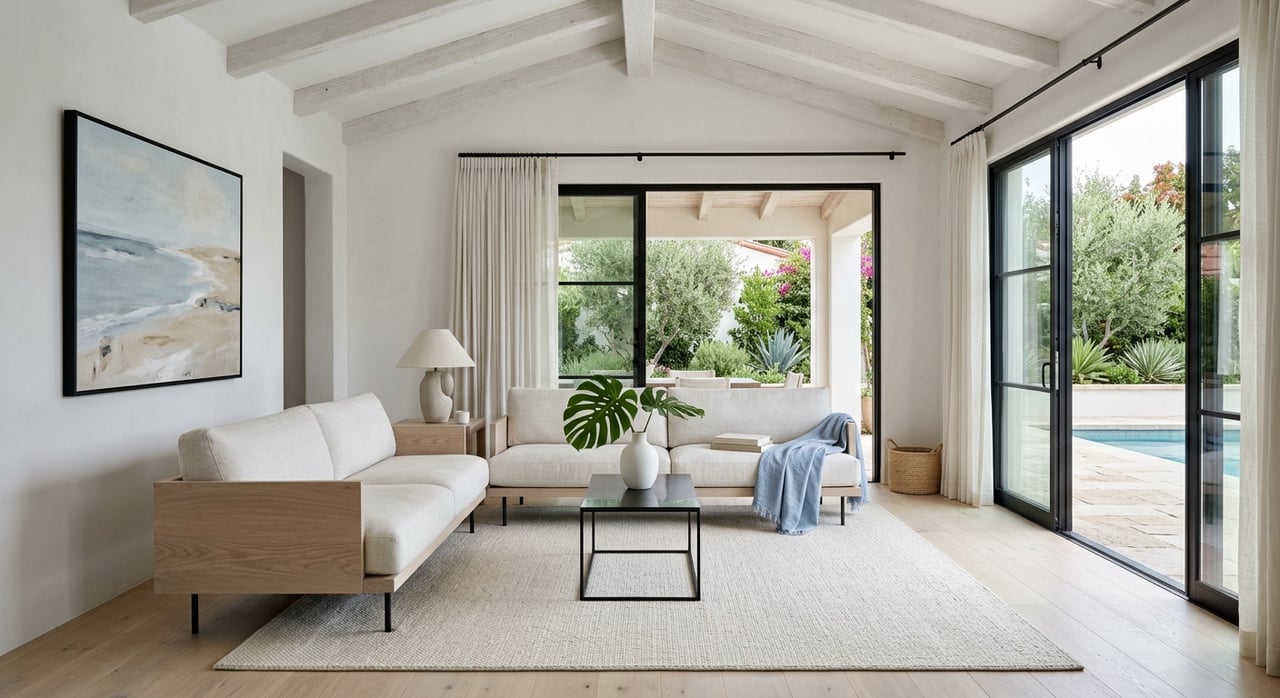
Even in a historic home, presentation matters. Staging is not about hiding the home’s age. It is about helping buyers picture themselves living there while keeping the architecture visible and easy to appreciate.
Current staging research shows strong buyer response to well-prepared homes. According to National Association of Realtors staging reporting, 83 percent of buyer’s agents said staging made it easier for clients to visualize a property as their future home. The same reporting found that 29 percent of agents saw a 1 percent to 10 percent increase in the dollar value offered for staged homes.
For budgeting, the reported median cost of a staging service was $1,500, compared with $500 when the seller’s agent handled staging. That can help you decide whether to stage the entire home or focus on the spaces that create the strongest first impression.
Prioritize the highest-impact rooms
The rooms that matter most are the living room, primary bedroom, and kitchen. In a historic Old Northeast home, the front porch, entry, and visible original millwork should also be treated as key presentation areas. These spaces help buyers understand both the layout and the personality of the property.
If furniture blocks trim, windows, fireplaces, built-ins, or porch sightlines, simplify it. Buyers should be able to notice the architecture quickly in listing photos and at showings.
Use a restrained finish plan
Historic homes usually benefit from a lighter touch. Deep cleaning, decluttering, depersonalizing, selective painting, and landscaping can go a long way without making the home feel generic. The goal is to make the house feel move-in ready while still allowing its character to lead.
Think clean surfaces, edited furniture, open pathways, and crisp curb appeal. In many cases, less styling creates a stronger result because it lets the original details stay in focus.
Get photo-ready before listing
Many buyers will first see your home online, so photo-readiness should happen before the listing goes live. Staging and final prep should be complete before photography, not after. That way your marketing launches with the strongest possible first impression.
For a historic property, photography should highlight the spaces and details that set the home apart. Porches, entry details, original woodwork, windows, and site features can all support the home’s story when the property is fully show-ready.
Build a realistic sale timeline
If you are selling a historic home, give yourself more runway than you would for a standard cosmetic refresh. A realistic timeline often begins with a preservation-aware inspection and designation review, then moves into permit and approval decisions, then repairs, and only after that into staging and photography.
A practical sequence for many sellers looks like this:
- Month 1: inspection, designation review, and scope planning
- Months 2 to 6: contractor bids, permit decisions, and priority repairs
- Months 6 to 12: larger preservation work or weatherization, if needed
- Final 30 to 60 days: decluttering, deep cleaning, staging, and photography
This kind of timeline can reduce the chance that approval delays or repair surprises disrupt your launch date. It also gives you time to make thoughtful decisions instead of rushing into replacements that may not support the home’s value.
Coordinate the right vendors
The best prep plans usually involve a small, well-coordinated team. Depending on your home, that may include a licensed general contractor, a preservation-minded carpenter or wood-restoration specialist, a painter familiar with historic exteriors, a landscaper, and a photographer or stager who knows how to feature period details.
In a neighborhood like Historic Old Northeast, vendor choice matters. You are not just improving condition. You are shaping how buyers experience the home’s historic materials, curb appeal, and overall story.
Prep with strategy, not impulse
The strongest approach for a Historic Old Northeast sale is usually not to renovate everything. It is to preserve what makes the home distinctive, repair what could raise inspection concerns or weaken buyer confidence, and present the property with clarity and polish. That balance helps you respect the home’s character while still meeting the expectations of today’s buyers.
If you are thinking about selling in Historic Old Northeast, Caroline Burgess can help you build a prep strategy that fits your home, your timeline, and the way buyers shop this market.
FAQs
What should I fix first before selling a Historic Old Northeast home?
- Start with safety, moisture issues, structural stability, damaged porch elements, and masonry concerns before cosmetic updates.
Do historic homes in St. Petersburg need special approval for exterior work?
- They can. In St. Petersburg, some work in historic areas may require a certificate of appropriateness, permits, or both, so it is important to confirm your property’s exact designation first.
Should I replace old windows before listing a historic home?
- Not always. Original windows are often better repaired than replaced, especially when their proportions and trim support the home’s historic appearance.
What rooms should I stage in a historic home for sale?
- Prioritize the living room, primary bedroom, and kitchen, and also treat the front porch, entry, and visible original details as important presentation areas.
How long does it take to prepare a historic home for sale in Old Northeast?
- Many sellers should plan for a multi-month process that starts with inspection and designation review, moves into repairs and approvals, and finishes with staging and photography in the final 30 to 60 days.