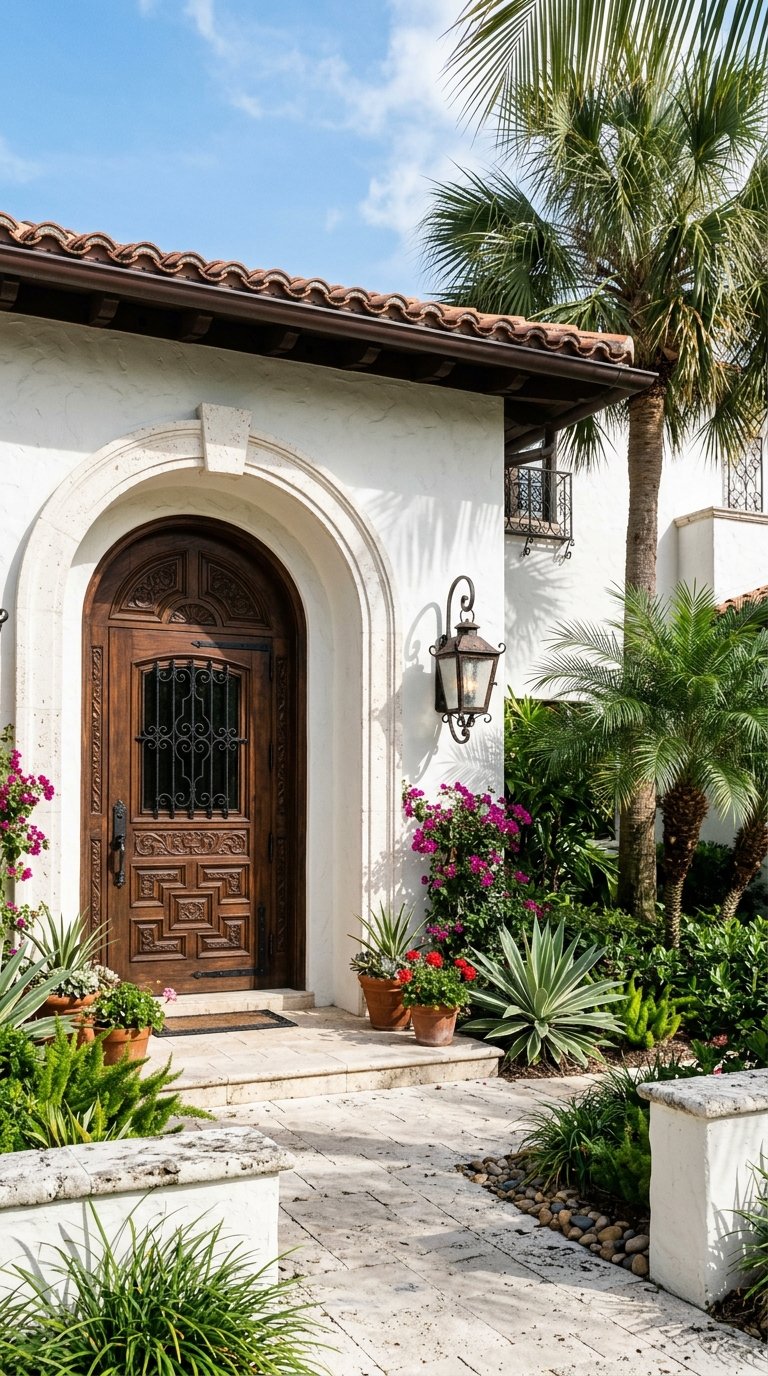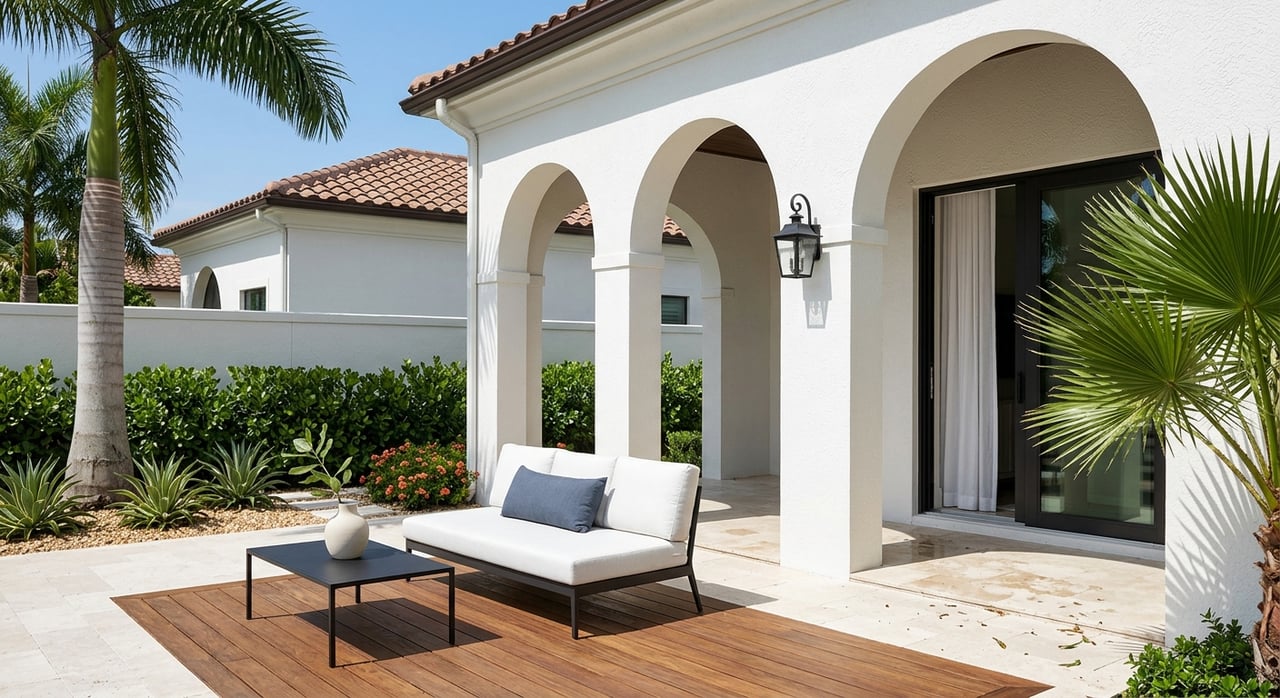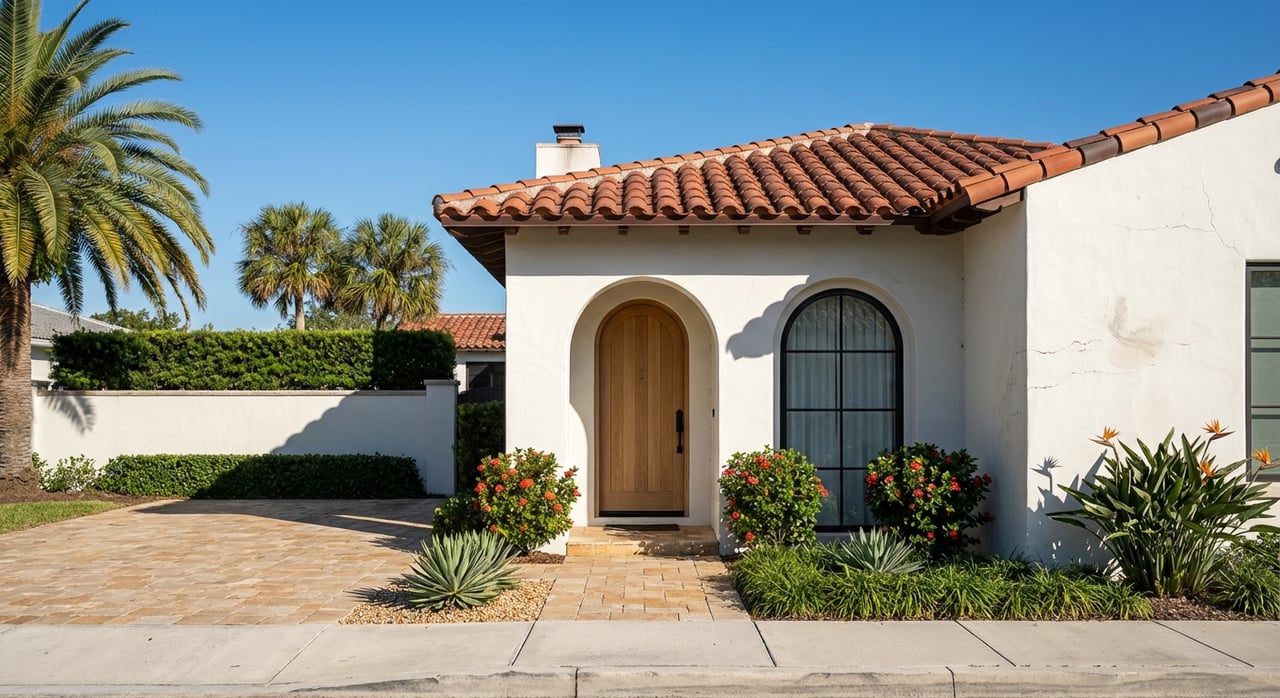
Eyeing a Magnolia Heights bungalow and wondering whether to fix and flip it or hold it as a rental? You’re not alone. This northeast St. Petersburg pocket draws steady interest thanks to its character homes, central location, and walkable feel. In this guide, you’ll get a clear framework to choose your strategy, grounded in local numbers, rules, and renovation patterns. Let’s dive in.
Why Magnolia Heights works for investors
Set about 3 to 5 miles from downtown St. Pete and the waterfront, Magnolia Heights offers a tight-knit vibe with easy access to parks, Central Avenue, and the 4th Street corridor. Local guides describe it as walkable with artsy character, which helps renovated homes stand out with lifestyle buyers and renters. You can get a quick feel for the neighborhood from the Magnolia Heights overview.
The buyer pool here includes professionals who want short commutes and charm without sacrificing convenience. That mix supports tasteful, right-sized renovations that respect the block. When inventory is tight, finished homes that photograph well and check the insurance and inspection boxes can move quickly.
What you can buy here
Magnolia Heights is dominated by small single-family homes on modest lots, with some duplexes sprinkled in. Many houses were built in the 1940s to 1960s, and you’ll also find 1920s to 1930s bungalows nearby. That age mix creates value-add opportunities because mechanicals and finishes often need a refresh. Neighborhood data highlights this stock and its eras of construction in Magnolia Heights demographics and housing.
Typical layouts range from one to three bedrooms. If you’re evaluating a potential conversion, addition, or accessory unit, confirm zoning and permitting before you underwrite any extra income.
Pricing and rents at a glance
Neighborhood trackers vary by timeframe, but recent reports show a median sale price near about $452,000 and a median rent around $2,075 per month for Magnolia Heights. You can review the neighborhood feed for current context on Magnolia Heights price and rent medians. Always pull fresh MLS comps for your specific block when you’re ready to write an offer.
Flood and insurability basics
Magnolia Heights sits inland, with local elevations in spots around the mid-40 to mid-50 feet. Much of the area is outside the high-risk FEMA coastal zones that require flood insurance for most mortgages. That said, you should verify parcel-level exposure on FEMA panels and county tools. Area elevation context is shown in this Magnolia Heights elevation lookup.
Insurance costs are a big line item across Florida, so get quotes early. Roof age, wind mitigation features, and impact-rated windows can make a real difference in premiums and buyer appeal.
Fix and flip: when it makes sense
A flip can work when the after-repair value covers your purchase price, renovation costs, carrying costs, and a profit buffer. In Magnolia Heights, owner-occupants respond to clean design, preserved character, and functional systems. If your schedule and scope are tight, renovated homes can capture premiums when inventory is light.
For older homes, expect to budget for the basics first. Roof condition, HVAC, electrical panels, and plumbing often drive inspection outcomes and insurance eligibility. Cosmetic updates come next. If you hit both, your listing photos will show the story buyers want to see.
Tips for flippers:
- Keep design choices midrange and block-appropriate.
- Emphasize curb appeal and low-maintenance landscaping.
- Confirm permits are in place for structural, electrical, plumbing, HVAC, and roofing work.
- Track carrying costs by week to protect your margin.
Hold long term: steady by design
A hold can make sense if the gross yield and cap rate meet your targets after taxes, insurance, maintenance, vacancy, and management. Long-term rentals keep things simpler than short-term rentals in this part of St. Pete and often produce steadier cash flow.
Focus your underwriting on accurate rent comps, realistic expense ratios, and conservative vacancy. Many investors favor durable finishes, energy efficiency, and simple landscaping to reduce turnover and ongoing costs.
Short-term rental rules you must know
St. Petersburg restricts short-term rentals in most residential zones. Guidance commonly summarizes a “3 rentals per 365-day” limit for sub-30-day stays in many areas, which makes a full-time STR model infeasible for most single-family parcels in Magnolia Heights. Before you assume any STR upside, review current city zoning and registration rules. A helpful starting point is this summary of St. Petersburg short-term rental regulations.
Renovation playbook that works here
In Magnolia Heights, high-impact projects are practical and photo-friendly.
What to prioritize:
- Systems and safety: roof, HVAC, electrical panel updates, plumbing repairs, and permitted work that passes inspections and helps with insurance.
- Cosmetic refresh: interior paint, refined wood-floor repair or refinish, a modest kitchen with quality cabinets and quartz, and a clean bath refresh. These often offer strong value for dollar in older homes.
- Weather resilience: impact-rated windows and doors, roof tie-downs, and wind mitigation features can help with premiums and buyer confidence.
Thinking about an addition or accessory unit? It can change the math, but feasibility and requirements vary by parcel. Get early input from a local contractor and confirm zoning before you count the income.
Quick numbers to screen deals
Use simple benchmarks to decide which path to explore first. Then replace them with line-item quotes.
- GRM, a first pass on value: GRM equals purchase price divided by annual rent. Using neighborhood medians discussed above, $452,000 divided by $24,900 per year is about 18.2. That is a screening number only. Check the Magnolia Heights neighborhood feed and fresh comps for your property.
- Cap rate, an income lens: A conservative approach uses the “50 percent rule,” which assumes operating expenses before mortgage equal about half of gross rent. That gives a quick cap rate estimate. Learn the idea behind the 50 percent expense rule. Applying it to the median rent example, NOI is roughly $12,450 which yields about a 2.8 percent cap on a $452,000 price. Using a 35 percent expense ratio, cap is about 3.6 percent. Replace these estimates with real quotes for taxes, insurance, and maintenance before you commit.
What these numbers mean: higher-price urban neighborhoods often pencil at lower headline caps. Your decision may hinge on your financing terms, renovation skills, and expectations for appreciation.
Financing options for rehab buyers
If you plan to live in the property or hold long term, renovation loans can bundle purchase and improvement costs.
- FHA 203(k): Combines purchase and repairs within one loan for eligible owner-occupied buyers.
- Fannie Mae HomeStyle Renovation: A conventional renovation option that can finance as-completed value under certain conditions.
For a quick primer on these programs and eligibility, review this overview of FHA 203(k) and HomeStyle Renovation. Flippers often use hard money or bridge lenders for speed, but at higher rates and fees.
Taxes, insurance, and carrying costs
- Property taxes: Pinellas County’s effective rates are moderate by Florida standards, but your actual bill depends on municipal millages, exemptions, and use. For context on property tax variability across counties, see the Tax Foundation’s property tax data. Use the county’s estimator for a parcel-level look.
- Homeowners insurance: Premiums have risen across Florida, and Pinellas averages are meaningful to your NOI. Get a quote early and factor wind mitigation credits and roof age. Industry summaries highlight Florida homeowners insurance trends by county.
- Carrying costs: Add property taxes, insurance, utilities, any HOA fees, financing interest, vacancy allowance, management, and a capital reserve for big-ticket items.
Due diligence checklist for Magnolia Heights
- Run a parcel search and review tax history before you write an offer. Start with the Pinellas County Property Appraiser.
- Pull renovated comps within a quarter to half mile. Focus on similar bedroom-bath counts and lot sizes.
- Order a full home inspection. Add a termite and wood-destroying organism report, and a sewer scope for older lines.
- Confirm zoning and any short-term rental rules with the City of St. Petersburg before you assume extra income.
- Check permitting history for prior work. Make sure your new scope is properly permitted and scheduled.
- Get at least two contractor bids for roofs, HVAC, electrical, and plumbing. Include permit fees, inspections, and a contingency.
- Pre-underwrite the exit. For a flip, identify the most likely buyer and design to that audience. For a hold, set realistic rent, vacancy, and management costs.
Flip or hold: a simple path forward
If your numbers show a tight flip margin, test whether a lighter cosmetic scope with system upgrades gets you to market faster. If the cap rate is thin but you want to hold, improve durability and energy efficiency to protect cash flow. Either way, your best results come from accurate comps, conservative budgets, and a clean, permitted renovation that photographs well.
If you want a second set of eyes on a Magnolia Heights deal or a tailored fix, flip, or hold plan, reach out. Schedule a walk-through, get contractor introductions, and run real comps with a hyper-local view. Connect with Caroline Burgess for a free consultation.
FAQs
What makes Magnolia Heights attractive for investors?
- It offers walkability, character homes, and proximity to downtown St. Pete, which support demand from lifestyle buyers and renters. See the neighborhood overview for a quick primer.
Are most Magnolia Heights homes good flip candidates?
- Many homes were built between the 1940s and 1960s, with some earlier bungalows, which often need system and cosmetic updates that create value-add opportunities. Review the housing stock data for context.
How do short-term rental rules affect my strategy in St. Pete?
- Most residential zones limit frequent sub-30-day rentals, which makes a full-time STR model infeasible on many single-family parcels. Start with this summary of St. Petersburg STR rules and confirm with the city.
What quick math should I use to screen a Magnolia Heights rental?
- Use GRM and a conservative cap rate estimate. Neighborhood medians show a GRM around 18 with today’s sample numbers, and a cap in the low single digits using the 50 percent expense rule as a placeholder.
How can I estimate taxes and insurance for underwriting?
- For taxes, look at county and municipal millages and exemptions, plus the Tax Foundation’s county comparisons. For insurance, get a quote tied to roof age and wind mitigation, and review Florida county-level trends.
Where do I start my property-specific research?
- Begin with the Pinellas County Property Appraiser for parcel and tax history, then pull fresh MLS comps, schedule inspections, and verify zoning and permit histories before finalizing your scope and budget.