Thinking about listing your Magnolia Heights home soon? Getting the price right the first time can be the difference between strong offers in days and sitting on the market with price cuts. You want a number that reflects real demand, your home’s condition, and the micro-location factors buyers notice on every showing. In this guide, you’ll learn a simple, data-backed way to choose an accurate price, plus a 90-day prep plan to launch with confidence. Let’s dive in.
Why pricing right in Magnolia Heights matters
Pricing sets the tone for your entire sale. If you overprice, the best buyers may skip your listing and you risk chasing the market with reductions. If you underprice, you could leave money on the table. A clear strategy built on recent comps, condition adjustments, and neighborhood nuances helps you attract qualified buyers at the right number.
Start with the right data
Before you pick a price, gather the key market metrics for Magnolia Heights and nearby St. Petersburg neighborhoods:
- Median sale price and the 30–90 day trend.
- Days on market and list-to-sale price ratio.
- Active vs. pending inventory and months of supply.
- Price per square foot for comparable single-family homes.
The most reliable sources include your agent’s local MLS for comps and trends, the Pinellas County Property Appraiser for parcel and tax data, county GIS and FEMA flood maps for flood zone verification, and National Association of Realtors reports for broader context. Use MLS data as your anchor, and treat automated estimates as rough references only.
Build your comp set
You can create a strong comp set by following a few practical steps.
Define your comp pool
- Geography: Start within your subdivision or within 0.25–1 mile for similar homes. Expand only if supply is limited.
- Time window: Aim for sales from the last 30–90 days. In slower periods, you can look back up to 6 months.
- Property type and size: Match single-family to single-family and target homes within about 10–15 percent of your square footage and within one bed or bath when possible.
- Condition: Favor comps with similar updates. If condition differs, you can still use the sale with adjustments.
Match and adjust key features
Buyers compare more than just square footage. Pay attention to:
- Bedroom and bathroom counts, and the presence of full vs. half baths.
- Lot size, usable yard space, and outdoor living areas like patios or screened lanais.
- Pool, garage, or covered parking.
- Roof and HVAC age, and features like impact-rated windows or doors.
- Kitchen and bath updates, flooring, and overall finish quality.
- Flood zone and elevation, which affect insurability and perceived risk.
- Street characteristics, such as traffic level and corner vs. interior lot.
Adjust without guesswork
A clear way to calibrate is to compare price per square foot across your best comps, then adjust for non-square-foot differences.
- Use estimated cost-to-cure for cosmetic or easily fixable items, like an outdated kitchen.
- For location or structural differences, rely on market-derived premiums and discounts from similar local sales.
- Prioritize adjustments for the biggest value drivers: water influence, flood zone, lot and yard usability, bath count, major systems, and overall remodel level.
Weigh comps and read the market
Give the most weight to the most recent, most similar sales closest to your home. Look at active listings to gauge current competition and at pending listings to understand what buyers are willing to pay right now. If actives look rich and sit longer, you may want to price more competitively to stand out.
Micro-location factors that move price
Magnolia Heights buyers pay attention to street position, yard quality, and features that reduce ownership friction.
Street and curb appeal
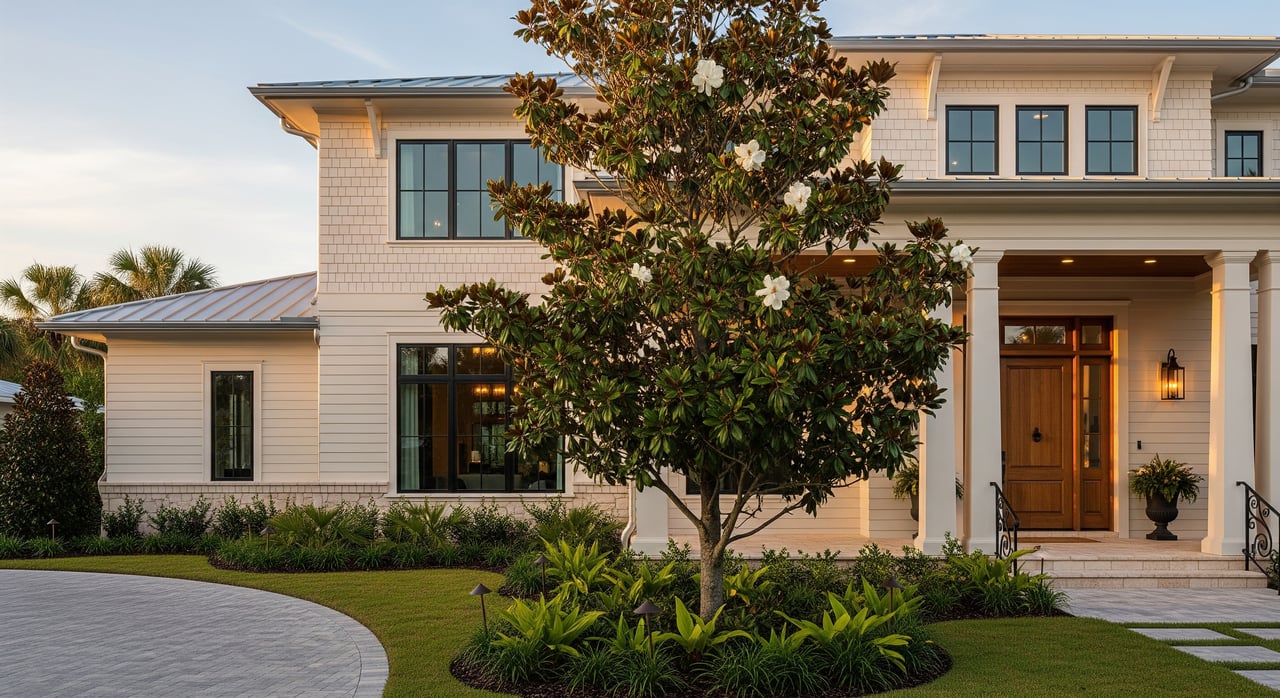
A home on a quieter residential street often outperforms a similar home on a busy corridor. Curb appeal also matters. Clean lines, fresh paint touch-ups, and healthy landscaping can create a premium feel that supports stronger offers.
Yard and outdoor living
Usable yard area and privacy often carry more weight than raw lot size. In our climate, shaded outdoor areas and well-planned patios or porches increase day-to-day enjoyment. Southern exposure in the backyard can also be a plus for light and comfort.
Flood risk and insurance
Flood zone status is a key factor in Pinellas County. Confirmation of your property’s flood zone, elevation, and any mitigation can influence buyer interest and insurance costs. Disclose this information early so buyers can factor it into their decision.
Structure and hurricane readiness
Impact-rated windows and doors, a newer roof, and documented tie-downs or straps can be meaningful to buyers. These features may lower insurance costs and provide peace of mind. Keep permits and warranties accessible to support your price.
Nearby amenities and utilities
Proximity to parks, beaches, groceries, and healthcare can enhance desirability. If there is an HOA, be ready to share fees and rules. Also clarify utility details like sewer versus septic and any recent public works projects.
Decide what to fix in 90 days
Focus on items that improve first impressions, reduce objections, and help your home appraise cleanly.
High-ROI quick wins
- Fresh interior paint in neutral tones.
- Deep cleaning, decluttering, and professional staging in key rooms.
- Curb appeal boosts: power wash, lawn care, trimming, mulch, and a fresh front door or updated house numbers.
- Lighting and hardware updates; fix squeaks, drips, and cosmetic wear.
- Minor kitchen and bath refreshes, such as painted cabinets, updated fixtures, or new countertops if budget allows.
Systems like roof and HVAC may not return dollar-for-dollar but can support a faster, stronger sale if documentation is available.
When to skip big projects
Major remodels can take time and permits. If you cannot complete them within your 90-day window, consider listing at market and pricing slightly below renovated comps to reflect condition. Lean on your agent’s read of buyer appetite for light fixer properties in Magnolia Heights.
Your 90-day prep checklist
Use this timeline to stay organized and market-ready.
Week 1–2
- Hire an agent for a Comparative Market Analysis.
- Clean, declutter, depersonalize, and handle obvious repairs.
- Schedule professional photos and a walkthrough to plan quick fixes.
Week 2–4
- Boost curb appeal with exterior cleaning, touch-up paint, lawn care, trimming, mulch, and potted plants.
- Update the entry with a new doormat and a freshened front door and numbers.
- Paint key interiors in neutral colors; refresh worn flooring if cost-effective.
- Stage main living areas and the primary bedroom if helpful.
Week 3–6
- Complete minor repairs identified in your walkthrough.
- Gather permits, service records, warranties, utility bills, and the survey if available.
- Consider a pre-listing inspection to reduce surprises.
Week 6–12
- Finish agreed cosmetic updates.
- Book final cleaning and staging before photography.
- Prepare disclosures and showing packets.
Choose your pricing strategy
Your comps and condition will point to a realistic range. Then pick the approach that fits your goals and timeline.
- Competitive pricing: List slightly below perceived market value to generate strong traffic and potential multiple offers. This can work well when demand is strong.
- At-market pricing: List at the reconciled value from your comp set to maximize net while attracting serious buyers. This is common in balanced conditions.
- Above-market pricing: Leave room to negotiate if you have time and the market is rising, but expect longer days on market and possible reductions.
Talk through the tradeoffs and choose the option that best aligns with your timing and risk tolerance.
Present your price with confidence
Be transparent about how you landed on your number. Reference recent sold comps, active competition, your home’s updates and documentation, and any flood or insurance considerations. Share a pricing range with a recommended list price tied to your chosen strategy and target launch date.
If you want a neighborhood-smart pricing plan, connect with a local expert who lives the data every day. For tailored comps, a prep plan, and premium marketing that showcases your home at its best, reach out to Caroline Burgess.
FAQs
How recent and close should comps be for Magnolia Heights?
- Aim for sales in the last 30–90 days within your subdivision or 0.25–1 mile, expanding only if similar sales are limited.
How do flood zones in Pinellas County affect a home’s price?
- Flood zone status can narrow the buyer pool and impact insurance costs, so confirm and disclose it early and reflect any market discount or mitigation in your pricing.
What should I fix before listing my Magnolia Heights home?
- Prioritize showability and confidence: address safety and maintenance items, refresh paint and landscaping, and handle minor cosmetic updates that reduce buyer objections.
Where can I get a reliable pricing review in St. Petersburg?
- A licensed local agent can run an MLS-based Comparative Market Analysis and use county property records to validate parcel details and recent improvements.
How do yard size and street appeal factor into pricing in Magnolia Heights?
- Use nearby comps with similar lot size and street position; if none exist, adjust by estimated costs to achieve parity, such as landscaping or privacy enhancements.