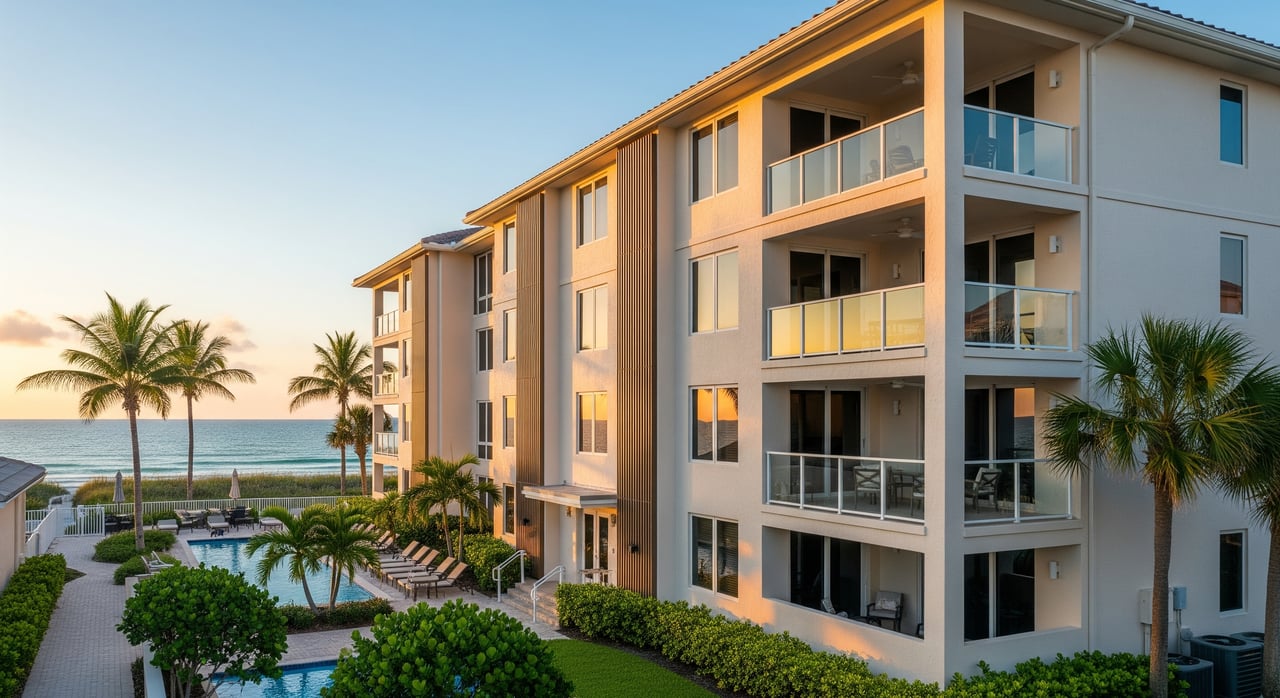
Dreaming of a low‑maintenance beach place in Indian Rocks Beach but unsure how condo HOAs really work? You are not alone. Between monthly dues, reserves, insurance, and rental rules, the details can feel overwhelming, especially if you are buying from out of market. This guide breaks down what to review, why it matters, and how to compare buildings with confidence in Indian Rocks Beach. Let’s dive in.
What HOA dues usually cover
Condo dues fund the shared parts of the property and the long‑term upkeep of the building. Exact inclusions vary by association, but you will commonly see:
- Building and common‑area maintenance: exterior painting, roofing for common elements, elevator upkeep, pool and deck care, landscaping, pest control, and janitorial service.
- Utilities billed at the association level: water, sewer, trash, and sometimes cable or Internet via a bulk contract. A few buildings have master‑metered electric or gas.
- Master property insurance for common elements and the building structure.
- Reserve contributions for future capital projects.
- Management, accounting, legal, taxes, and in some communities on‑site staff payroll.
On the beach, costs tied to exterior protection and amenities can be larger drivers. Expect line items for roof and exterior systems, storm‑shutter maintenance, pool heating, dune or beach access maintenance, and dock care when present.
Reserves: your safety net for big repairs
A reserve study is a professional plan that estimates the useful life and replacement cost of major components, then recommends annual contributions to keep the building on track. Reserves are there to reduce special assessments when big projects hit.
What to request:
- The most recent reserve study and current reserve balance.
- The annual budget showing reserve contributions.
- A list of recent and upcoming capital projects (roof, exterior painting, balconies, elevators) with dates.
How to read it fast:
- Compare projected large expenses in the next 1 to 5 years to today’s reserve balance.
- Check whether the annual reserve contribution matches the study’s recommendation.
- Note any large projects scheduled soon without a clear funding plan.
Common red flags:
- Very low or zero reserves, or contributions far below the reserve study.
- Repeated special assessments over the past 5 to 10 years.
- Deferred maintenance you can see: peeling paint, balcony rust, frequent elevator outages.
For background on best practices, you can review the Community Associations Institute’s resources on budgeting and reserves at the Community Associations Institute.
Insurance, deductibles, and special assessments
Associations carry a master property insurance policy. Ask for the policy or a certificate that clearly shows coverage and deductibles. Florida master policies often have a separate hurricane or windstorm deductible stated as a percentage of the building’s insured value. Big deductibles can become special assessments if a storm hits.
What to confirm:
- Coverage type and what the association insures versus what unit owners must cover. You will typically need your own HO‑6 policy for your interior, personal property, and liability.
- The hurricane or wind deductible and whether it is a percent of insured value or a flat dollar amount.
- Any recent insurance claims and whether claims changed premiums or deductibles.
Insurance costs and availability in Florida have been evolving, which can affect dues and assessments. For state‑level context, review the Florida Office of Insurance Regulation.
Rules that shape your plans: rentals, pets, parking
Before you rely on rental income or bring a pet, verify the rules in the recorded documents and the current Rules and Regulations.
- Leasing and short‑term rentals: Minimum lease terms, rental caps, or owner‑occupancy rules may apply. Indian Rocks Beach is a popular vacation area, and local rules can affect short‑term rentals. Confirm permitting and current ordinances with the City of Indian Rocks Beach.
- Pet policies: Some buildings allow pets with size or number limits. Others restrict pets except for assistance animals. Review the declaration and rules for deposits, weight limits, and breed exclusions.
- Parking and storage: Beach condos often have tight parking and rules around trailers, boats, golf carts, and guest parking. Make sure these align with how you plan to use the condo.
Florida condo governance and buyer disclosures are guided by the Florida Condominium Act (Chapter 718) and overseen by the Florida DBPR’s condo division. Ask for the full set of documents and any board amendments that affect rentals or pets.
Local risk checks for Indian Rocks Beach
- Flood risk: Indian Rocks Beach sits on a barrier island. Many buildings fall within FEMA Special Flood Hazard Areas (AE or VE). Check your exact address and elevation on the FEMA Flood Map Service Center and verify flood insurance requirements with your lender and insurance agent.
- Building age and structural inspections: After Surfside, Florida communities reviewed recertification and structural inspection policies. Ask the association and the City what inspections are required and whether any work is pending. Start at the City of Indian Rocks Beach.
- Taxes and property data: Verify year built, parcel details, and tax history with the Pinellas County Property Appraiser.
- Seasonality and rental expectations: Occupancy and rates fluctuate with seasons in beach markets. If you plan to rent, speak with a local property manager about typical gross and net yields and the city’s short‑term rental permit requirements.
Your document request checklist
Ask the seller, association, or management company for:
- Declaration of Condominium, Bylaws, Articles, and all current Rules and Regulations.
- Most recent annual budget and prior year comparison.
- Most recent reserve study, current reserve balance, and reserve contribution schedule.
- Financial statements for the past 2 to 3 years and the most recent month of bank statements if available.
- Board and membership meeting minutes for the past 12 to 24 months.
- Master insurance policy declarations page with deductibles noted.
- Management contract and any recent engagement letters for studies or inspections.
- List and status of ongoing or pending litigation.
- Estoppel certificate or payoff letter for the unit, plus a schedule of assessments and any special assessments.
- Written policies: pets, leasing, screening, parking, and any boat or trailer rules.
- Capital project history for the past 10 years, with dates and costs.
Where to verify:
- Property details and tax history: Pinellas County Property Appraiser.
- Flood zone: FEMA Flood Map Service Center.
- Short‑term rental rules and permits: City of Indian Rocks Beach.
- Florida condo governance and disclosures: Florida Condominium Act and Florida DBPR condo division.
Printable comparison worksheet
Copy, paste, and print this worksheet for each building you are considering.
Basic building and unit
- Building name / address / unit number:
- Year built / stories / total units:
- Ownership type (condo, timeshare, other):
- Distance to beach / gulf view / floor elevation:
Monthly cost and budget
- Monthly HOA dues ($):
- What dues include (water, sewer, trash, cable/Internet, gas/electric, pool, elevator, security):
- Annual budget total ($) and your per‑unit share ($):
Reserves and capital
- Reserve study date:
- Current reserve balance ($ total and per unit):
- Recommended annual reserve contribution ($):
- Actual annual reserve contribution ($):
- Reserve contribution as % of total budget:
Insurance and deductibles
- Master policy type and coverage summary:
- Hurricane/wind deductible (percent or flat $):
- What owners must insure (HO‑6 suggestions):
Assessments, litigation, delinquencies
- Special assessments in past 5–10 years (dates and amounts):
- Pending or active litigation (Y/N, short description):
- Association delinquency rate (if available):
Rules affecting use and income
- Pet policy (allowed, weight limit, number, deposits):
- Leasing restrictions (minimum lease term, rental cap %):
- Short‑term rental status (allowed Y/N, permits required?):
Amenities and maintenance
- Amenities (pool, clubhouse, fitness, elevator, assigned parking, boat slip):
- On‑site manager or third‑party management company:
- Major projects and years completed (roof, painting, balconies, elevator):
Local risk and cost factors
- Flood zone (FEMA AE, VE, X):
- Flood insurance required (Y/N):
- Notes from City or County on recertification/inspections:
Notes and red flags
- Upcoming projects over 5% of reserves per unit:
- Board turnover or governance concerns:
Red flags to watch for
- Very low reserves compared to near‑term projects or the reserve study.
- Large projects planned in 1 to 3 years with no funding plan.
- Repeated or recently approved large special assessments.
- High owner delinquency rates on dues.
- Ongoing lawsuits that could bring major liabilities.
- Insurance gaps or very high hurricane deductibles that could lead to assessments after a storm.
- Rental or pet rule changes that conflict with your plans.
- Visible deferred maintenance: peeling paint, balcony deterioration, or frequent elevator outages.
Quick examples: how costs can hit owners
- Reserve shortfall example: A reserve study shows a roof project in 2 years for $1,200,000. Current reserves are $500,000 and annual contributions are $100,000. Without an increase, the building could be $500,000 short, which may require a special assessment spread across owners.
- Wind deductible example: A building has an insured value of $20,000,000 and a 2% hurricane deductible. After a named storm, the association must cover the first $400,000 of damage before insurance pays. If reserves are not adequate, owners may see a special assessment.
Get a local guide on your side
Buying a condo at the beach blends lifestyle goals with careful due diligence. If you want a steady hand to gather documents, frame the risks, and compare buildings side by side, reach out to Caroline Burgess. You will get clear guidance, a structured review process, and local insight across Tampa Bay’s beach markets.
FAQs
What do Indian Rocks Beach condo HOA fees usually include?
- Typically common‑area maintenance, some utilities, master insurance, reserves, and management. Always confirm the exact inclusions in the current budget and association documents.
How do Florida condo reserves protect me as a buyer?
- Adequate reserves reduce the chance of special assessments for big projects. Ask for the reserve study, current balance, and whether annual contributions match the study’s recommendation.
What flood checks should I do for a beach condo purchase?
- Look up the building’s FEMA flood zone on the FEMA Flood Map Service Center and discuss flood insurance requirements and costs with a local insurance agent.
Are short‑term rentals allowed in Indian Rocks Beach condos?
- It depends on both the condo documents and city rules. Review the association’s leasing restrictions and verify current ordinances and permitting with the City of Indian Rocks Beach.
What insurance do I need beyond the association’s policy?
- Most buyers carry an HO‑6 policy for interior finishes, personal property, and liability. Verify what the master policy covers and the hurricane/wind deductible with the association and your agent.
Can HOA rental or pet rules change after I buy?
- Associations can amend rules following procedures in the Florida Condominium Act (Chapter 718). Review past amendments and ask about any pending rule changes before closing.