Salt air, sunrise water views, and your boat on a lift out back sound like the Snell Isle dream. If you are a move-up buyer eyeing waterfront, you also want clear numbers and fewer surprises. This guide breaks down real costs, rules, and tradeoffs so you can weigh lifestyle value against long-term obligations. Let’s dive in.
What “waterfront” means on Snell Isle
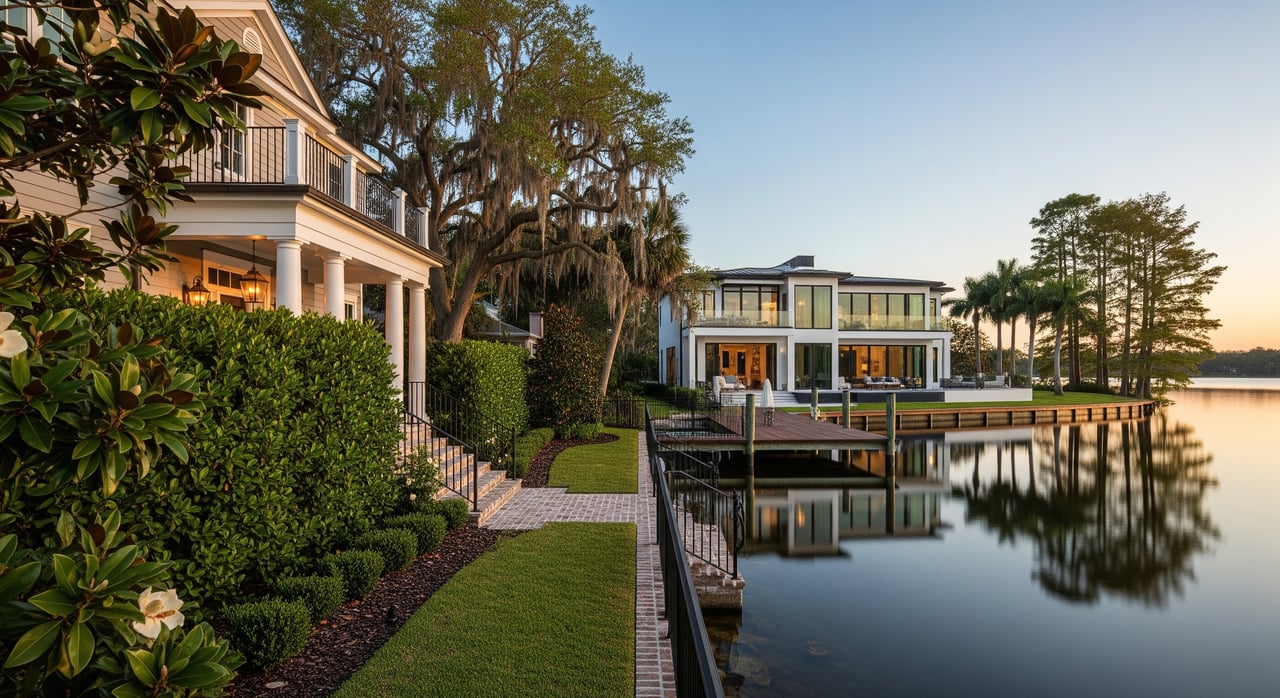
Snell Isle is a man-made peninsula in northeast St. Petersburg with homes fronting Coffee Pot Bayou, Smacks Bayou, and Tampa Bay. You will find a mix of open-bay estates, canal-front homes with private docks and lifts, and interior lots a short stroll to the water. County property tools document the area’s residential, walkable character with substantial waterfront housing stock. You can verify parcel details and recorded documents through the Pinellas County Property Appraiser.
Bayfront vs. bayou vs. canal
- Bayfront parcels deliver sweeping views and easy access to open water.
- Bayou-front homes sit on protected waters that can feel calmer for everyday use.
- Canal-front lots often feature private docks and lifts with navigable channels.
Each setting has a different feel, risk profile, and price premium. Your intended boating and lifestyle should guide the choice.
Boat access realities
Many Snell Isle waterfront homes feature deep-water docks with direct routes to Tampa Bay. That said, navigation can vary by street and canal. Before you fall in love with a view, confirm water depth, any bridge or turning constraints, and the best path to open water. For lifestyle context and what local luxury buyers prize, see this St. Petersburg luxury real estate overview.
Upfront costs you should expect
The waterfront premium
Waterfront on Snell Isle carries a clear premium over interior lots. Open-bay views, longer water frontage, and newer or elevated construction tend to command higher prices. Recent bayfront sales often close in the multi-million-dollar range. Use recent neighborhood comps and on-market data to gauge the specific premium on your target street.
Specialized inspections to order
Beyond a general home inspection, plan for marine and elevation due diligence. These items are common for waterfront:
- Seawall or bulkhead inspection by a licensed coastal or structural engineer.
- Dock and boat-lift inspection by a marine contractor.
- Survey and elevation certificate showing first-floor elevation versus Base Flood Elevation.
Pinellas County parcel pages often note if an elevation certificate exists. You can search property records and documents through the county property appraiser.
Ongoing costs to budget carefully
Flood insurance
If a lender finds your address is in a Special Flood Hazard Area per FEMA, flood insurance is usually required for a mortgage. Premiums vary by elevation, coverage, and FEMA’s Risk Rating 2.0. Always pull the official map for the exact address using FEMA’s Flood Map Service Center and collect written quotes before you go under contract.
Homeowners insurance
Florida homeowners premiums are materially higher than the national average, and waterfront exposures can push costs further. Rates vary by insurer and replacement value. Review current market context and secure multiple quotes; state reporting in 2024–2025 shows continued pressure on premiums across Florida coastal areas. For background, see this statewide insurance update from Broward County’s news site on Florida homeowners insurance costs. Your actual rate will depend on your home’s specifics.
Property taxes
High-value waterfront purchases often translate to larger annual tax bills. Use county tools to estimate year-one taxes and learn about homestead and other exemptions and filing deadlines. Start with the Pinellas County Property Appraiser and the Pinellas County Tax Collector’s property tax FAQ.
Seawall and dock lifecycle costs
Seawalls and docks are major long-term obligations. Minor seawall repairs can run in the low hundreds per linear foot, while panel repairs or full replacements often land in the mid to high hundreds per linear foot. Total project costs, including permitting and mobilization, can reach tens of thousands to well over $100,000 on long or complex lots. Review local ranges and plan for periodic inspections and eventual replacement based on condition. For ballpark planning, see this contractor guide to seawall repair and replacement costs.
Boat-lift and dock upkeep
Docks, pilings, and lifts need ongoing care. Expect cable and pulley replacements, lift motor service, electrical checks, and periodic piling repairs. Larger vessels often mean higher-capacity lifts, which may bring higher maintenance costs. Budget annual service and set-asides for mechanicals.
Shoreline management
If your shoreline includes mangroves or other vegetation, trimming is regulated. Some sites may be good candidates for living-shoreline solutions, which public agencies in the Tampa Bay region are piloting and funding in places. These programs do not remove your short-term responsibilities, but they can inform long-term planning. For regional context, review Tampa Bay bay-stewardship reporting and updates on living shorelines and water-quality news.
Rules, permits, and what to check first
Coastal construction and sovereignty lands
Seawall work, major shoreline structures, dredging, and some dock projects typically require state review. Florida statutes govern coastal construction, setbacks, and the use of sovereignty submerged lands. Before you change a seawall, build a dock, or consider dredging, confirm permits and recorded approvals. Start with Florida’s coastal construction framework in Chapter 161 and sovereignty submerged lands in Chapter 253.
Dredging and canal status
Canal maintenance and dredging responsibilities can vary. Some canals are public, others private, and some have shared maintenance agreements. That status affects what permits are needed and who pays for future dredging. Verify the canal’s legal status and any existing agreements before you buy.
Documents to request and review
- Any elevation certificate, past seawall or dock permits, and the latest seawall inspection or engineer’s report.
- A survey showing improvements and waterline structures.
- Any recorded easements, maintenance agreements, or canal-dredging obligations.
County property records and permitting portals often include some of these documents. The property appraiser’s site is a good starting point.
Risk and resilience to factor in
Flood-zone status and lender rules
Flood risk on Snell Isle is address-specific. Lenders rely on FEMA maps to determine if flood insurance is required for a loan. Always verify the property’s flood zone and Base Flood Elevation through FEMA’s Flood Map Service Center and review the elevation certificate to understand how the home sits relative to the BFE.
Sea-level rise and nuisance flooding
The Tampa Bay region is seeing more frequent nuisance tidal flooding and planning for long-term sea-level rise. This can affect yard and road flooding frequency over time and may influence future adaptation efforts. Use NOAA’s mapping tools to visualize scenarios by address and elevation with the Sea Level Rise Viewer. When comparing homes, factor in elevation, yard drainage, and seawall condition.
Water-quality events
Periodic algae or red tide events and storm-driven sewage or stormwater incidents can interrupt recreation and require occasional cleanups. These are seasonal and localized, but they are part of waterfront life around Tampa Bay. For ongoing context, follow regional reporting on water quality and bay stewardship.
Benefits vs. tradeoffs
Benefits
- Direct water access for boating, paddling, and fishing.
- Scenic views and outdoor living that extend your usable space.
- A premium location near downtown St. Petersburg and local parks. For lifestyle context, see this luxury market overview.
Tradeoffs
- Higher insurance costs, including flood insurance if required by a lender.
- Significant seawall and dock maintenance or replacement over time.
- More complex permitting for shoreline changes and occasional water-quality interruptions.
- A narrower buyer pool at resale at higher price points, which can influence time on market.
Buyer checklist for Snell Isle
Use this quick path to turn unknowns into clear line items:
- Verify the FEMA flood zone and request a FIRMette for the address via the FEMA Map Service Center.
- Ask the seller for any elevation certificate, dock or seawall permits, and a recent seawall inspection or engineer’s report. Check county records through the Pinellas County Property Appraiser.
- Obtain multiple written quotes for both flood insurance and homeowners insurance. Do not rely on a seller’s past premiums.
- Commission a marine contractor for a dock and lift inspection and a licensed seawall engineer for shoreline structures. Review per-foot cost ranges using a local seawall cost guide.
- Confirm whether your frontage is on sovereignty submerged lands that may require leases or authorizations for certain work. Review Florida statutes in Chapter 253 and ask about canal maintenance or dredging agreements.
- Estimate your first-year taxes and review homestead rules through the property appraiser and tax collector.
Is Snell Isle waterfront right for you?
If you want private boating, big-sky views, and a quick hop to downtown St. Pete, Snell Isle’s waterfront is hard to beat. The key is to price in insurance, taxes, and the lifecycle of marine structures so your dream dock stays a joy, not a surprise. With the right address-level data and inspections, you can compare options apples to apples and buy with confidence.
If you want a clear, address-specific plan for a Snell Isle home, reach out. As a local, full-service advisor, Caroline Burgess will help you line up maps, quotes, and inspections so you can move forward with clarity.
FAQs
What does “flood zone” mean for a Snell Isle home?
- Lenders use FEMA maps to see if your address sits in a Special Flood Hazard Area that requires flood insurance for a mortgage; check the exact address on FEMA’s Flood Map Service Center.
How much do seawall repairs typically cost in St. Petersburg?
- Ranges vary widely by condition and design, but published guides show minor fixes in the low hundreds per linear foot and full replacements in the mid to high hundreds per foot, with totals often reaching tens of thousands; review a local seawall cost guide and get site-specific bids.
Do I need permits to replace a dock or seawall in Pinellas County?
- Most seawall work, new docks, and dredging require state review and permits under Florida’s coastal statutes and, in some cases, sovereignty submerged lands authorizations; start with Chapter 161 and Chapter 253 to understand the framework and confirm requirements with the city and state.
How do Pinellas County property taxes work for higher-priced waterfront homes?
- Taxes are based on assessed value and local millage; after a higher-priced sale, expect a reset that can produce a larger bill, so estimate year one using the property appraiser and review exemptions and billing timelines via the tax collector.
What should boaters verify about access from Snell Isle canals?
- Confirm channel depth, turning room, and any bridge or no-wake constraints for your vessel, and map the best route to Tampa Bay; buyer guides for local luxury homes highlight deep-water access as a key feature, which you can explore in this St. Petersburg luxury overview.
Are water-quality events like red tide a factor for Snell Isle living?
- Tampa Bay experiences periodic algae or red tide and storm-related water incidents that can pause recreation or require cleanups; follow regional updates through Tampa Bay water-quality reporting and plan your use accordingly.